
Atlas Orthogonal Chiropractic Care in Roswell, GA
Atlas Orthogonal is an instrument-assisted upper-cervical chiropractic technique focused on the top of the neck near the base of the skull. It is designed to deliver a targeted adjustment without forceful manual twisting or an intentional popping sound. McDowell Chiropractic offers instrument-assisted options, including Atlas Orthogonal and Activator Methods. At McDowell Chiropractic, Dr. Ben McDowell evaluates each patient before deciding whether this approach is appropriate.
Request an Atlas Orthogonal EvaluationCall (770) 599-7139
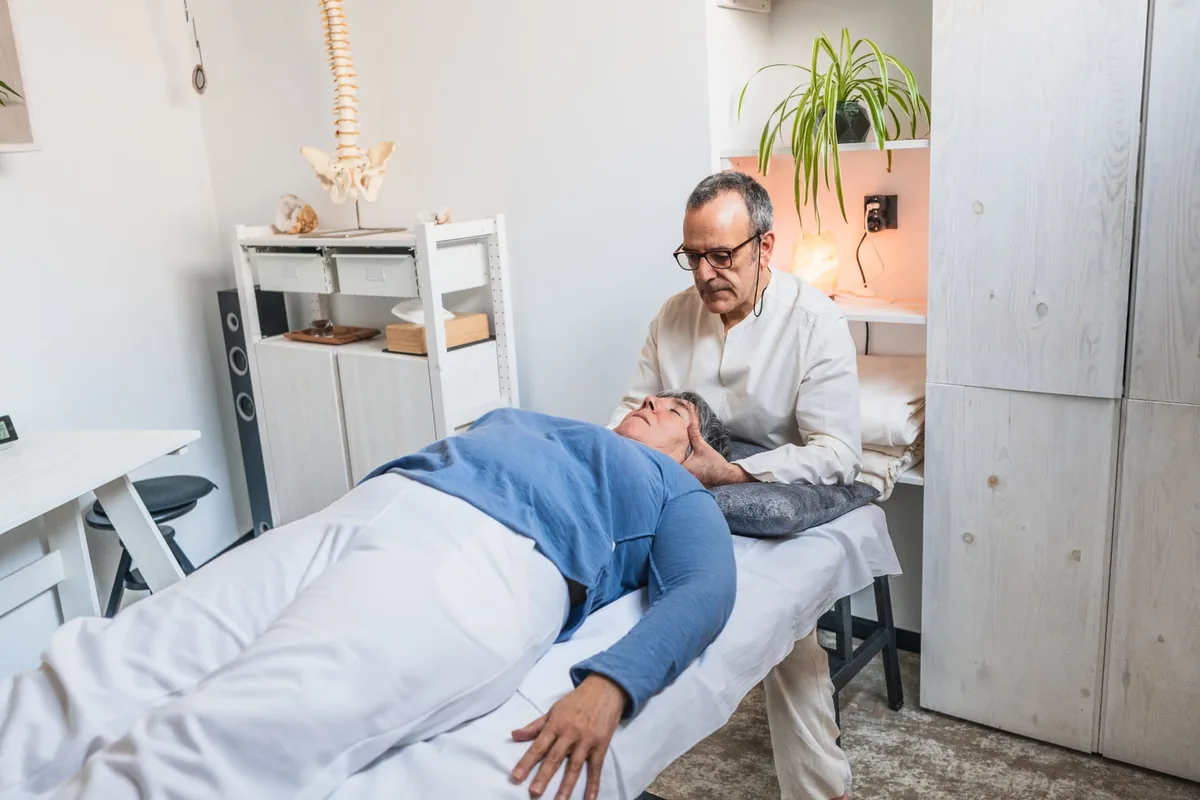
What Is Atlas Orthogonal?
The atlas is the first cervical vertebra, also called C1. It sits directly below the skull and is part of the upper-cervical region. Atlas Orthogonal is a chiropractic technique developed by Dr. Roy Sweat. The technique uses examination information and, when clinically appropriate, specific imaging measurements to guide an instrument-assisted adjustment.
The Atlas Orthogonal percussion instrument is positioned near the upper neck and delivers a controlled mechanical impulse. Unlike some manual neck adjustments, the technique does not depend on forceful rotation of the head or an audible joint release.
Atlas Orthogonal is a technique, not a diagnosis and not a guarantee of results. A patient's symptoms may have causes that this method cannot address. The purpose of an evaluation is to determine whether the upper-cervical area is relevant, whether the technique can be used safely, and whether another form of care or referral is more appropriate.
Instrument-Assisted Approaches: Atlas Orthogonal and Activator Methods
Dr. McDowell uses both Atlas Orthogonal and Activator Methods as instrument-assisted chiropractic approaches.
Atlas Orthogonal focuses on the upper-cervical region near the base of the skull. It uses a specialized instrument to deliver a targeted adjustment without forceful manual rotation of the neck.
Activator Methods uses a handheld chiropractic instrument to deliver controlled, targeted inputs and may be used in areas throughout the spine. Dr. McDowell uses Activator Methods more frequently in his practice, while Atlas Orthogonal may be considered when an upper-cervical approach is appropriate.
The method recommended for a patient depends on the reason for the visit, health history, examination findings, clinical judgment, and patient preference. Neither technique is appropriate for every person or every condition, and neither guarantees a particular result.
Dr. McDowell's Atlas Orthogonal Background
Dr. McDowell studied the Atlas Orthogonal technique under Dr. Roy Sweat after earning his Doctor of Chiropractic degree from Life University in 2013.
Dr. Ben McDowell became Board Certified in Atlas Orthogonal through the Roy W. Sweat Research Foundation in 2014.
Why Some Patients Ask About an Instrument-Assisted Approach
Patients may be interested in Atlas Orthogonal because they:
- Prefer an instrument-assisted method.
- Are concerned about forceful manual neck rotation.
- Have previously received upper-cervical care and want continuity.
- Want to understand whether the upper neck may be contributing to a musculoskeletal concern.
- Value a technique that uses measured, targeted inputs.
Preference alone does not determine clinical suitability. Dr. McDowell should review your symptoms, history, medications, previous injuries, and relevant risk factors before recommending care.
What to Expect
- Consultation and health history. The visit begins with the reason for your appointment, how the concern affects your activities, previous injuries or treatment, medications, and any conditions that may affect treatment decisions.
- Relevant examination. Dr. McDowell examines the areas related to your concern and looks for findings that may support chiropractic care or require referral. The clinic should specify the exact examination procedures it uses rather than publishing a generic list.
- Imaging when clinically appropriate. Atlas Orthogonal protocols may use imaging measurements. Imaging should be recommended only when clinically justified, and the doctor should explain why it is needed, where it will be performed, expected cost, and how the result may change the care decision.
- Review of findings. Dr. McDowell explains whether Atlas Orthogonal appears appropriate, what the technique can and cannot reasonably address, the proposed schedule, alternatives, potential risks, and how progress will be assessed.
- Instrument-assisted adjustment and reassessment. If you agree to care and no contraindication is identified, the instrument is used to deliver the planned adjustment. Dr. McDowell may reassess relevant findings and symptoms afterward. Patient experience and response vary.
See what to expect as a new patient.

What Does the Adjustment Feel Like?
Many people describe an instrument-assisted Atlas Orthogonal adjustment as brief and low-force. It may not produce the twisting or popping sensation associated with some manual techniques. That description should not be interpreted as risk-free or guaranteed to be comfortable for every patient.
Ask Dr. McDowell to demonstrate how the instrument is positioned and explain what you may feel before treatment begins.
Conditions and Symptoms Require Accurate Diagnosis
People often search for Atlas Orthogonal care because of neck pain, headaches, back discomfort, balance concerns, or symptoms after an injury. These symptoms can have multiple causes, and some require medical or emergency evaluation.
McDowell Chiropractic should not claim that Atlas Orthogonal treats high blood pressure, immune problems, digestive disease, neurological disease, or other non-musculoskeletal conditions. High-quality evidence for spinal manipulation outside musculoskeletal concerns is limited, and a technique page should not turn a general theory into a treatment promise.
Safety and Limitations
Temporary soreness, stiffness, increased discomfort, or headache can occur after spinal manipulation or mobilization. Serious complications have been reported and are considered very rare, but accurate frequency estimates are not available. Neck-focused manipulation has been associated with cervical artery dissection, although experts continue to debate causation and the event is rare.
Tell Dr. McDowell about your full health history, recent trauma, medications, severe osteoporosis, cancer, numbness, tingling, weakness, vascular risk factors, and any unusual headache or neurological symptoms. If Atlas Orthogonal is not appropriate, a different technique, another provider, or urgent evaluation may be recommended.
Frequently Asked Questions
Does Atlas Orthogonal involve twisting or cracking the neck?
The technique uses a specialized instrument rather than forceful manual neck rotation. An intentional popping or cracking sound is not required for the adjustment. Ask the doctor to explain the specific procedure recommended for you.
Are X-rays always required?
Do not assume imaging is automatic. Atlas Orthogonal protocols may rely on specific imaging measurements, but any X-ray should be clinically justified. Dr. McDowell should explain the reason, alternatives, radiation considerations, cost, and how the result would affect care.
Can Atlas Orthogonal cure migraine, vertigo, or other diseases?
No technique should be presented as a cure-all. Some people with cervicogenic headache or selected musculoskeletal concerns may consider spinal manipulation, but evidence varies and migraine is a neurological disorder. Evaluation, realistic expectations, and coordination with medical providers are important.
How many visits will I need?
The appropriate schedule depends on your presentation, goals, response, and whether the technique remains clinically appropriate. Ask how progress will be measured and when the plan will be changed, paused, or ended.
Is Atlas Orthogonal right for everyone?
No. Health conditions, injury, symptoms, imaging findings, medications, and patient preference can all affect the decision. Some people need another type of care or additional evaluation.
Ask Whether Atlas Orthogonal Fits Your Needs
If you are looking for an Atlas Orthogonal chiropractor in Roswell, request an evaluation with Dr. Ben McDowell. The first step is determining whether this technique is appropriate for your situation.
View all chiropractic services
Request an Atlas Orthogonal EvaluationCall (770) 599-7139
Online requests are not monitored for emergencies. Call 911 if you may be experiencing a medical emergency.