
Health and Symptom History
Be prepared to discuss when the neck pain began, previous injuries, headaches, dizziness, visual symptoms, numbness, weakness, medications, vascular risk factors, and any treatment already tried.
Neck pain can make it difficult to work, sleep, drive, turn your head, or exercise comfortably. At McDowell Chiropractic, Dr. Ben McDowell evaluates how the pain began, how it affects movement, and whether any symptoms require medical referral before recommending chiropractic care.
Request a Neck-Pain EvaluationCall (770) 599-7139

The neck includes vertebrae, joints, discs, muscles, ligaments, nerves, and blood vessels. Musculoskeletal discomfort may develop after an auto accident, exercise or gym activity, work, daily life activities, or another identifiable event. In other situations, symptoms may appear without an obvious triggering event or seem to come "out of nowhere." An evaluation helps determine whether chiropractic care may be appropriate or whether another type of care is needed.
An accurate history and examination are more important than selecting a technique in advance. The goal is to understand whether the concern appears musculoskeletal, whether chiropractic care may be appropriate, and whether the presentation includes warning signs.
Call 911 or seek urgent medical evaluation for neck pain with sudden weakness or numbness on one side, facial drooping, difficulty speaking, loss of consciousness, severe dizziness, trouble walking, a sudden severe headache, major trauma, fever with severe stiffness, or rapidly worsening neurological symptoms.
This is not a complete list and is not a diagnostic tool.
Research summarized by the National Center for Complementary and Integrative Health indicates that spinal manipulation may help some people with acute neck pain and that manipulation or mobilization may help selected people with chronic neck pain. The evidence is limited or inconsistent in parts, so results should not be promised.
Dr. McDowell should discuss how the available evidence relates to your presentation, the technique being considered, possible alternatives, and the expected benefit. A plan may include manual or instrument-assisted care only when the evaluation supports it.
McDowell Chiropractic offers instrument-assisted options, including Atlas Orthogonal and Activator Methods. Atlas Orthogonal focuses on the upper-cervical area and does not rely on forceful manual rotation or an intentional popping sound. Activator Methods uses a handheld chiropractic instrument and may be used in areas throughout the spine; Dr. McDowell uses it more frequently in his practice. Some patients ask about these approaches because they prefer a low-force, measured method.
Neither approach is automatically safer or more effective for every patient. Dr. McDowell must still consider symptoms, risk factors, imaging needs, and whether the upper-cervical area is relevant.
Be prepared to discuss when the neck pain began, previous injuries, headaches, dizziness, visual symptoms, numbness, weakness, medications, vascular risk factors, and any treatment already tried.
Dr. McDowell may assess neck movement, tenderness, strength, sensation, reflexes, posture, or other clinically relevant findings. The website should list only procedures actually used by the clinic.
The next step may be chiropractic care, imaging, a different provider, or urgent medical evaluation. If care is proposed, ask why the selected technique is suitable, what risks and alternatives exist, how many visits are initially recommended, and how progress will be measured.
See what new patients should know.
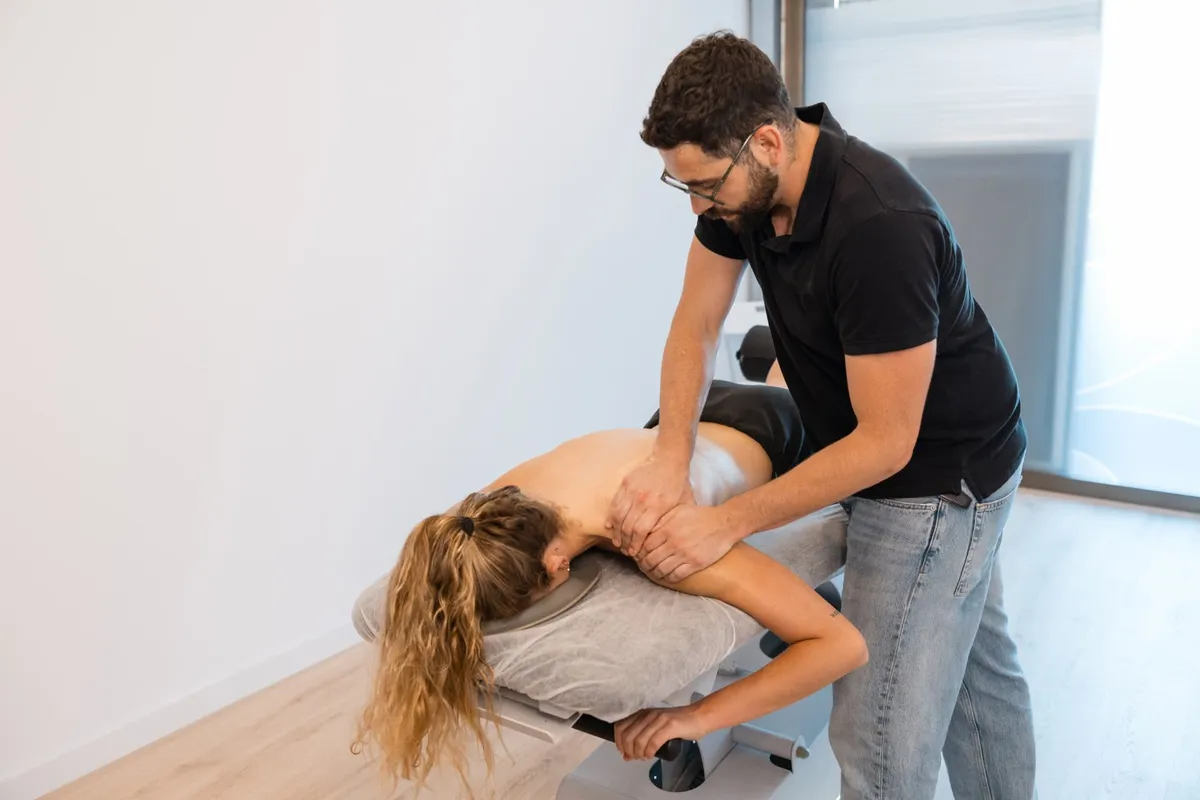
Temporary soreness, stiffness, increased discomfort, or headache can occur after spinal manipulation. Serious complications are considered very rare, but neck-focused manipulation has been associated with cervical artery dissection and stroke. Available evidence suggests the event is uncommon, and there is disagreement about causation, but patients should be informed of the potential risk.
Share complete information about recent trauma, unusual headache, neurological symptoms, vascular conditions, connective-tissue disorders, severe osteoporosis, cancer, medications, and any increased stroke risk. Ask about instrument-assisted or non-manipulative alternatives when relevant.
It may help some people when the stiffness is related to a musculoskeletal problem, but the cause matters. New stiffness with fever, severe headache, neurological symptoms, or major trauma requires prompt medical evaluation.
Not in every case. Imaging should be recommended when the clinical findings support it and when the result may change the care decision. Ask why it is needed, where it will be performed, and what alternatives exist.
Atlas Orthogonal uses an instrument rather than forceful manual neck rotation. An audible pop is not required. The technique still requires screening and informed consent.
Some headaches can originate from structures in the neck and are called cervicogenic headaches. Other headaches, including migraine, can have different causes and may require coordinated or medical care. A proper evaluation helps distinguish the possibilities.
Agree on measurable goals, such as improved neck movement, sleep, driving tolerance, work activity, or reduced symptom frequency. The plan should be reassessed if meaningful improvement does not occur.
If neck pain is affecting your daily activities, request an evaluation with McDowell Chiropractic in Roswell. Dr. McDowell can assess whether chiropractic care may be appropriate and explain the available options.
View all chiropractic services
Request a Neck-Pain EvaluationCall (770) 599-7139
Online requests are not monitored for emergencies. Call 911 if you may be experiencing a medical emergency.